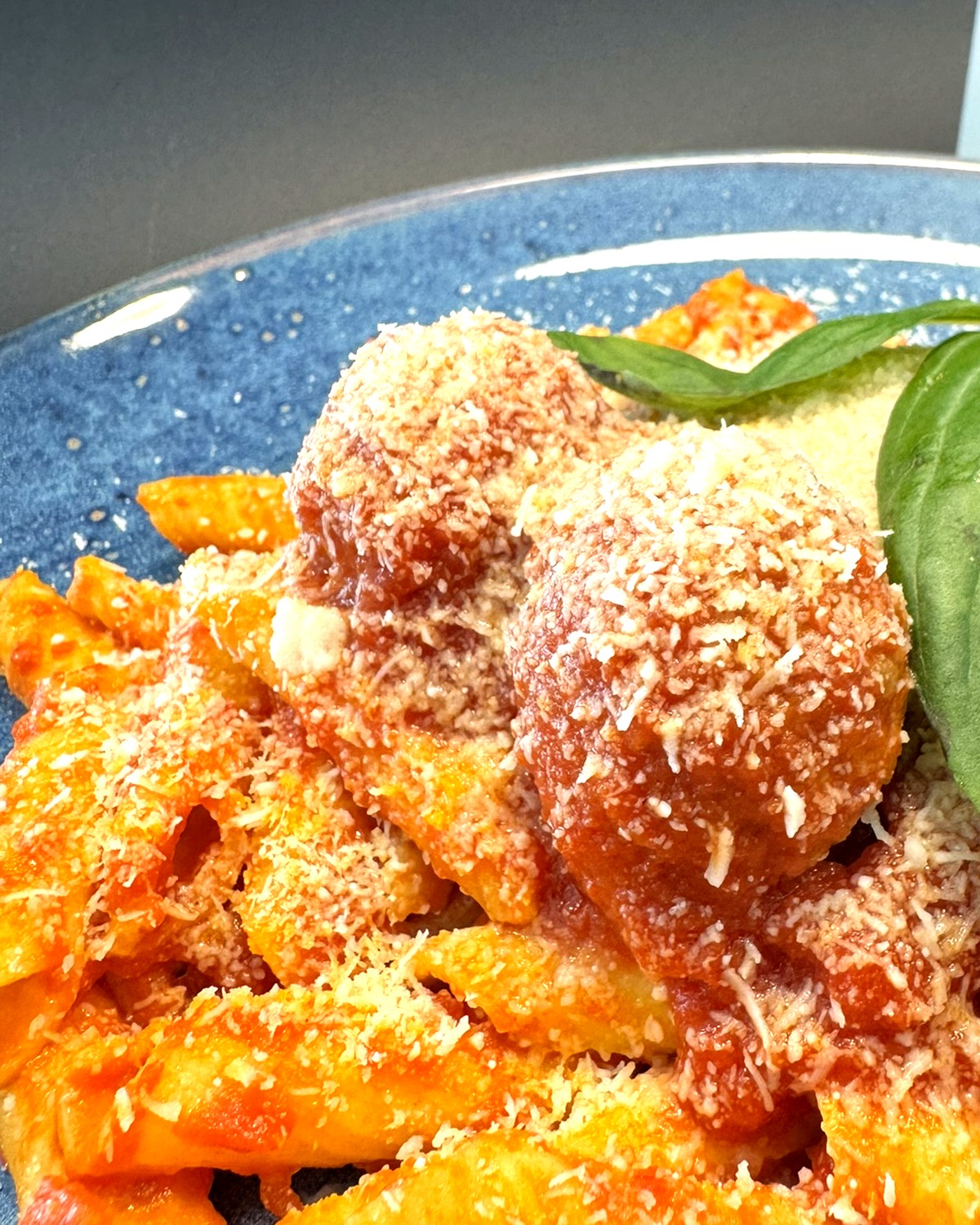
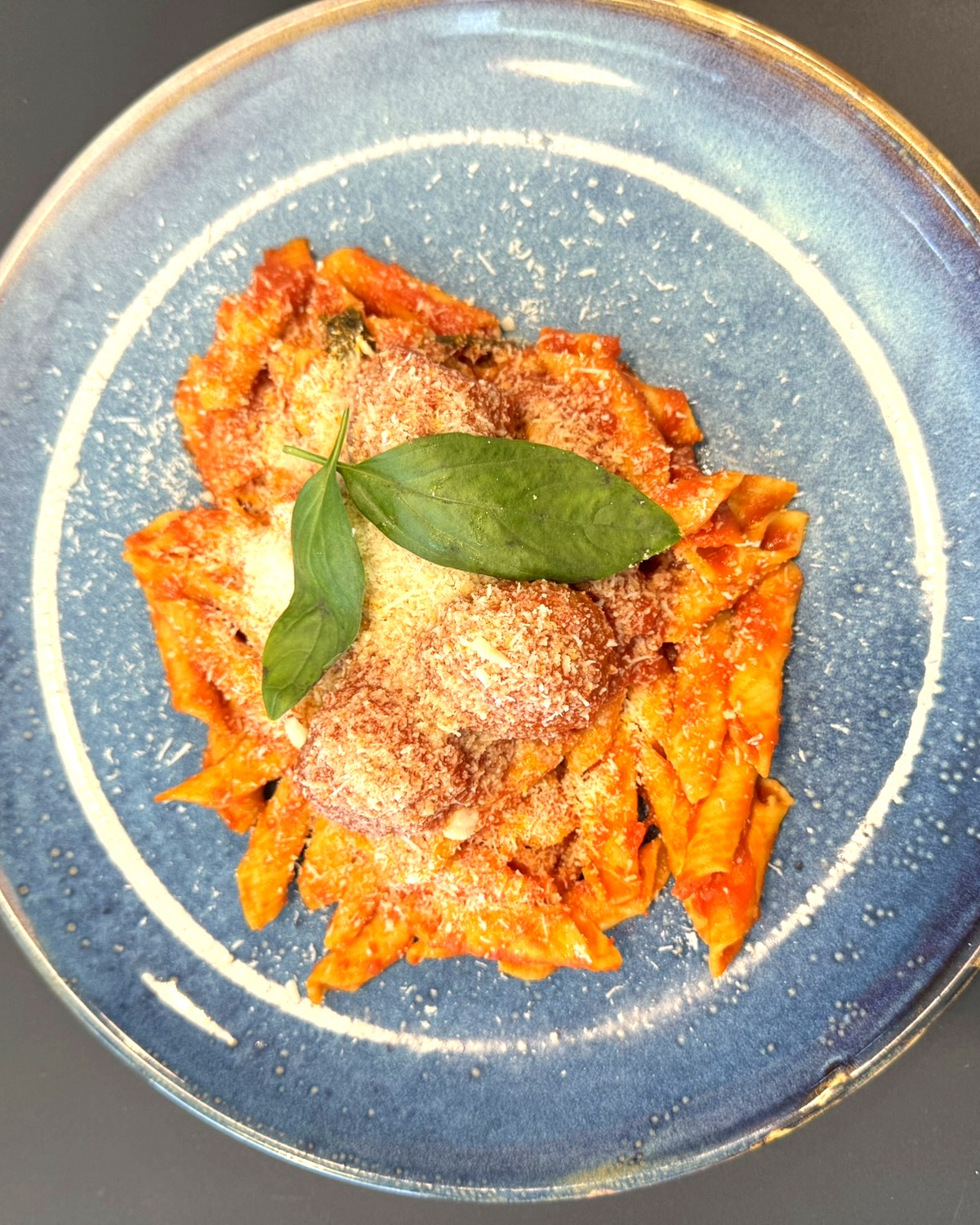
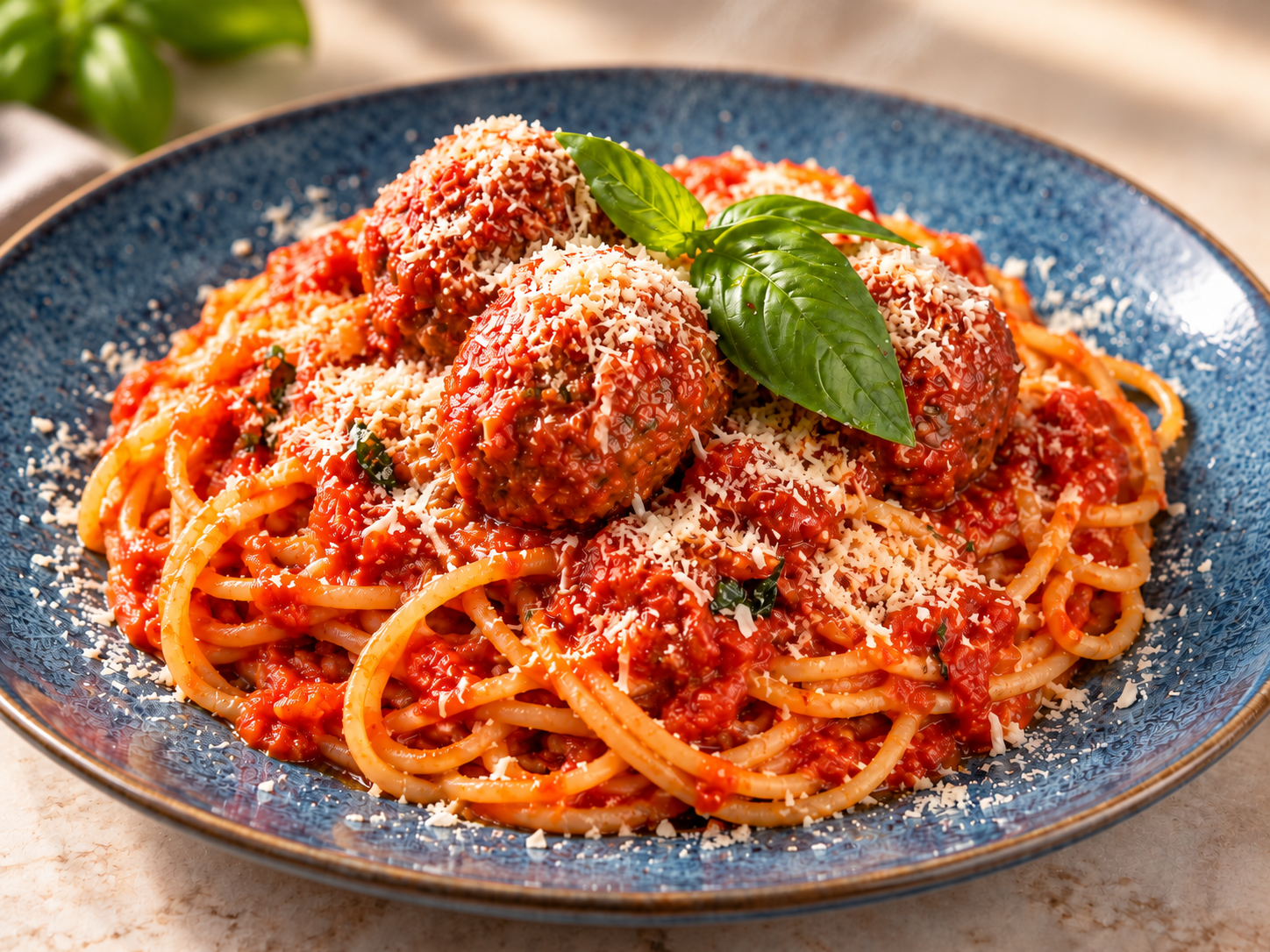
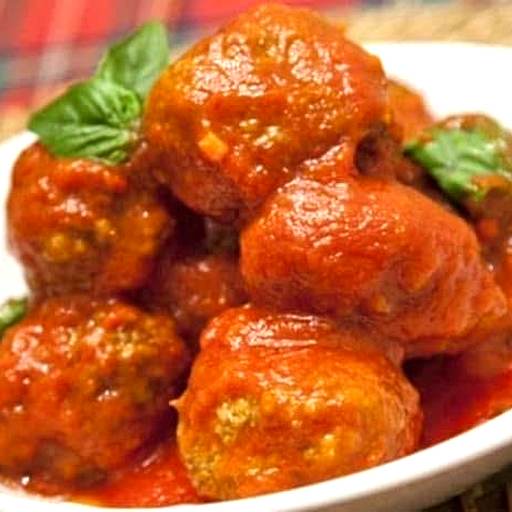
Before I knew what a recipe was, I knew the smell of my grandmother's sauce.
My earliest clear memories of Nonna Peppina begin when I was eight, nine, maybe ten years old.
It was the 1970s in Calabria. Homes were small, families were large, and in my grandmother's house the heart of everything was the hearth — the old Calabrian fireplace that warmed the house and stayed alive for hours.
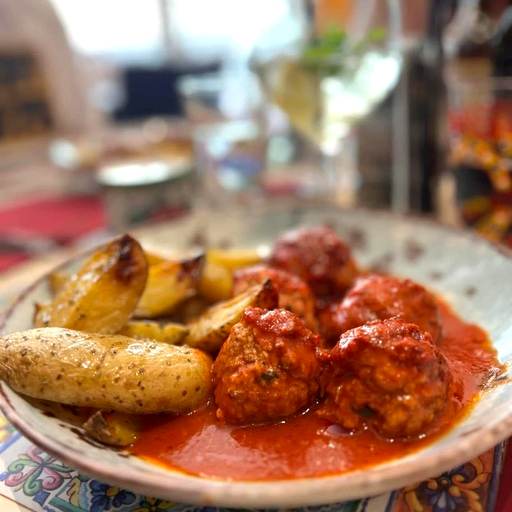
Gas cost money, and money was scarce. So whenever she could, my grandmother cooked there. When I walked into her house, I could smell the sauce before I saw her: slow-cooked tomato, basil, meat and burning wood.
She used traditional terracotta pots called pignate. There were no timers or temperature controls. If the heat was too strong, she moved the pot farther from the embers. If it was too weak, she moved it closer.
The sauce wasn't supposed to boil hard. It had to pippuliare — a Calabrian word for that slow, gentle bubbling that goes on patiently for hours.
Nonna Peppina wasn't a chef. She was a farmer, a mother and a woman who had lived through very hard years. They had little, but from that little they created flavors I have never forgotten.